Birdwatching Adventures in Sri Lanka
- Hike through the Secret Valley
- Learn about traditional tracks
- Car on Arrival
- Accommodations
“Nestled in the Indian Ocean, Sri Lanka awaits your exploration with NU Choix. Discover a land rich in history, where ancient ruins whisper tales of the past and misty peaks beckon the adventurous. From the UNESCO World Heritage site of Polonnaruwa to the charming town of Ella, Sri Lanka is a paradise for culture enthusiasts and nature lovers alike. Indulge your senses with the tantalizing aromas of local cuisine, embark on thrilling wildlife safaris through lush national parks, or simply unwind on the sun-kissed beaches fringed with swaying palms. With NU Choix as your trusted guide, let Sri Lanka weave its magic and create unforgettable memories of this gem in the Indian Ocean.”
Itinerary
Day 1: Welcome to Sri Lanka!
Airport – Negombo – 10 km – 20 min
Upon your arrival at the airport, our driver will transfer you to Negombo
and you will check in at the hotel. Depending on your arrival time, we can
arrange for an early check-in so that you can access your room before 2 PM, for
an additional fee.
Negombo:
Near the market, you can watch the preparation and drying of fish, a Sri
Lankan specialty. The fish arrive either by boat or by road (from the east
coast) to be cleaned, gutted, and salted before being spread out on large nets
on the beach. After drying for 2 to 3 days, they are sent throughout the
country and abroad for consumption.
Dinner and Breakfast – Negombo
Day 2: Sea Excursion with Local Fishermen
Negombo – Wilpattu: 178 km – 3h37 min
You will head directly to Wilpattu. During the journey, you will stop at Anavilundawa.
This forest reserve has recorded up to 1,033 species of plants belonging to 141
families, of which 15% are endemic. Additionally, there are 128 species of
birds, 17 of which are endemic, including the black eagle, pale-billed
flowerpecker, barbet, lorikeet, egret, heron, bulbul, warbler, kingfisher, and
woodpecker.
Afterwards, you will continue your trip to Wilpattu. Around 2 PM, you will
go on a safari in Wilpattu National Park until 6 PM.
Full Board at Wilpattu
Day 3: 4×4 Safari in Wilpattu National Park
In the morning, around 6:00 AM, you will embark on a safari in Wilpattu
National Park, the largest and one of the oldest parks on the island. The park
is named after its unique feature of numerous small lakes and natural water
bodies, known as “willus.”
The diverse habitats have attracted many species of flora and fauna, both
resident and migratory. Thirty-one species of mammals have been identified,
including the leopard (a visitor favorite), the sloth bear, the elephant, the
spotted deer, the barking deer, the sambar, the wild boar, and even the
crocodile. The reserve also hosts an abundance of endemic birds such as the
jungle owl, painted stork, owl, terns, gulls, eagles, herons, and winter
migratory birds that stay for short periods in the nature reserve.
Safari Duration: Approximately 10 hours
Full Board at Wilpattu
Day 5: Visit to Lion Rock and Dambulla Temple
Sigiriya – Dambulla: 20 km – 30 min
Dambulla – Matale: 50 km – 1h15 min
Early in the morning, around 6:30 AM, you will ascend the 8th Wonder of the World, the Lion Rock at Sigiriya. Famous for its frescoes, this ancient royal fortress is one of the island’s most captivating sites. From the summit, you’ll enjoy an exceptional view of the surrounding jungle. The Sigiriya fortress is a UNESCO World Heritage Site. The site opens at 6:30 AM, and we recommend visiting as early as possible to avoid the heat and tourist crowds.
After the visit, make sure to stop by the site museum, which provides an overview of the rock and offers a sense of the palace’s scale during King Kassapa’s reign through 3D reconstructions. King Kashyapa built his rock fortress in the 5th century to have a commanding view of approaching enemies. Today, it’s the birds and wildlife that captivate the adventurous visitor from its summit. Surrounded by vast artificial water reservoirs, Sigiriya is rich in interesting species. From the Asian elephant to a local breed of peregrine falcon, this site never fails to surprise and enchant.
Dambulla Cave Temple:
Open daily from 7 AM to 7 PM (ticket office closes at 5 PM). A 15-20 minute walk (stairs) to reach the temple.
Visit the Dambulla Temple, a rock temple dating back to the 1st century BCE, with five sanctuaries completely adorned with Buddhist murals. The Dambulla Cave Temple is a UNESCO World Heritage Site. In Dambulla, you will also see a number of toque macaques and their behaviors. The visit lasts approximately 1.5 hours.
Dinner and Overnight in Matale
Day 6: Walk in Riverston and Travel to Gal Oya
Matale – Gal Oya: 165 km – 3h45 min
Early in the morning, you will be transferred to Riverston, located about 30 km from the town of Matale. The road is quite winding with a few hairpin turns but in good condition, offering superb landscapes and is much less frequented by tourists.
The forest reserve has recorded up to 1,033 species of plants belonging to 141 families, of which 15% are endemic. Additionally, there are 128 species of birds, 17 of which are endemic, including the black eagle, pale-billed flowerpecker, barbet, lorikeet, egret, heron, bulbul, warbler, kingfisher, and woodpecker. The 31 species of mammals include wild boar, black-necked hare, mouse deer, sambar deer, elephant, wild buffalo, monkey, squirrel, civet, palm cat, loris, jackal, mongoose, bandicoot, and porcupine. The 20 species of amphibians include Kirthisingha’s frog and the famous leaf-nosed lizard.
You will then head to Gal Oya National Park, one of the most beautiful wildlife and flora reserves in the country. The afternoon is free for you to relax and refresh yourself in the very beautiful pool on-site.
Full Board at Gal Oya
Day 7: Boat Safari in Gal Oya National Park
In the morning, depending on the elephant population, you will go on a boat safari. Gal Oya National Park is one of Sri Lanka’s hidden gems. Distinct from other protected areas in the country, Gal Oya encompasses the largest inland water body with Lake Senanayake Samudraya.
Around this lake stretch over 25,000 hectares of lush forests and open savannas. The lake’s surface is dotted with islands, and its diverse wildlife is best observed during a boat safari, especially the elephants that swim from island to island.
Thirty-two species of mammals have been recorded in the park, including elephants, leopards, langurs, endemic toque macaques, sloth bears, wild boars, Sri Lankan sambar deer, axis deer, and water buffalo. Among the reptile species, visitors can see the mugger crocodile and the star tortoise, as well as nearly 150 species of birds, both migratory and endemic. Notable endemic species include the lesser adjutant, the spot-billed pelican, and the red-faced malkoha. Aquatic birds frequenting the reservoir include the whistling duck, Indian cormorant, Oriental darter, and grey heron, alongside a great variety of butterflies, amphibians, and birds of prey.
Safari Duration: Approximately 3 hours
In the afternoon, depending on the elephant population, you will go on a jeep safari in the national park. You will experience a unique adventure in the most beautiful park in the country. Gal Oya is home to herds of elephants, wild boars, several species of deer, jackals, sloth bears, marsh crocodiles, and a multitude of rare exotic birds.
Safari Duration: Approximately 3 hours
Full Board at Gal Oya
Day 8: Bird Watching in Gal Oya and Departure to Yala
Gal Oya – Yala: 240 km – 5h45 min
Morning Activities:
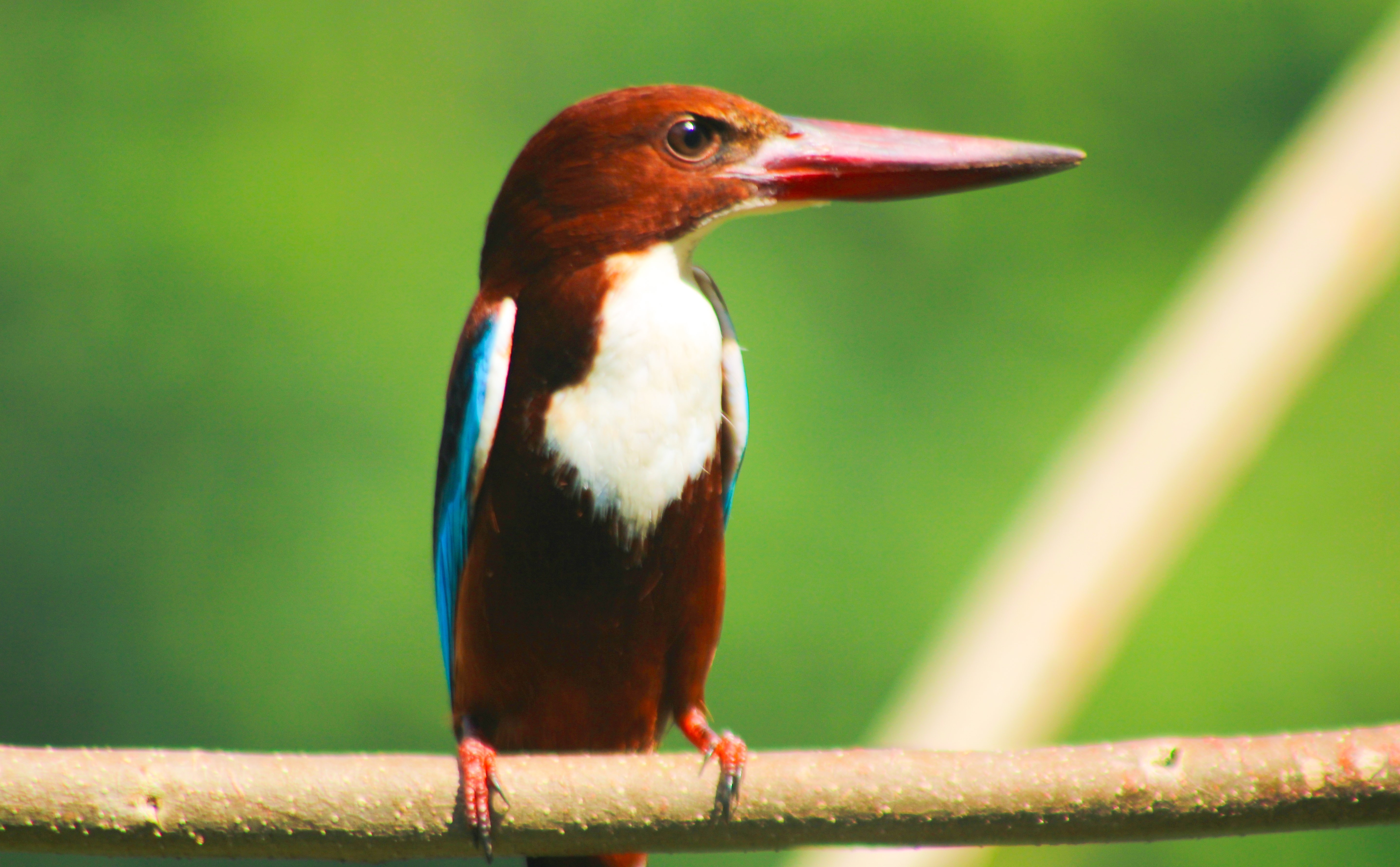
- Bird Watching: In the morning, you can go bird watching with a naturalist guide. This walk, lasting between 1 to 3 hours, will allow you to observe the local bird species, such as kingfishers and eagles.
- Morning Trek: Alternatively, you can choose between sleeping in or embarking on a nature trek. For early risers, this early morning trek is a must. After a 1.5-hour walk, you will enjoy spectacular 180-degree views of the surrounding vast forest. An early departure will let you admire the sunrise over the distant hills while observing the endless jungle canopy below. After the trek, return for a well-deserved breakfast and enjoy the rest of your morning.
After completing the morning activities, you will depart for Yala.
Full Board at Yala
Day 9: 4×4 Safari in Yala National Park
Yala National Park is the most visited and the second largest national park in the country. It features a variety of ecosystems including wet and dry monsoon forests, thorn forests, grasslands, wetlands, and beaches. The park is home to 44 species of mammals, including a herd of around 350 Asian elephants, leopards, sloth bears, wild water buffalo, the toque macaque (an Old World monkey endemic to Sri Lanka), the golden palm civet (also endemic to Sri Lanka and classified as vulnerable by the IUCN), the red slender loris, and the fishing cat (a wild cat from South and Southeast Asia classified as endangered by the IUCN in 2008).
Additionally, Yala is known as one of the 70 most important bird areas in Sri Lanka, with 215 bird species, six of which are endemic: the Sri Lanka grey hornbill, Sri Lanka junglefowl, Sri Lanka wood pigeon, crimson-fronted barbet, black-capped bulbul, and brown-capped babbler. There are also numerous aquatic birds, many of which are migratory, and several rare species.
Nevertheless, Yala National Park is best known for its leopard population, which boasts one of the highest densities in the world, making it the main attraction for the thousands of park visitors.
Safari Duration: Approximately 10 hours
Full Board at Yala
Day 10: Discover the Bird Paradise
Yala
Morning Activities:
Around 6:00 AM, you will go on a safari in Bundala National Park. Bundala, considered Sri Lanka’s premier birdwatching destination, was declared a wildlife sanctuary in 1969. The mix of thorny bushes, marshes, lagoons, streams, and dunes makes it an attractive destination for thousands of migratory birds, some of which come from Europe and Asia to winter in the park. It has thus become an internationally important wintering ground for thousands of exotic migratory bird species. Sri Lanka’s geographical location, just below the southern tip of the Indian subcontinent, makes it the final destination for their long journey across the oceans.
The park is home to nearly 200 bird species, including 150 endemic and the rest migratory. Among the migratory birds, you can find the blue-tailed bee-eater, flocks of flamingos, brown flycatchers, sandpipers, barn swallows, waterfowl, common redshank, little ringed plover, and forest wagtail. The park’s complex wetland system, designated as Sri Lanka’s first “Ramsar” site (identified as an important wetland in the international wetland network) and declared a biosphere reserve by UNESCO in 2005, is a haven for various waterbirds such as ibises, painted storks, terns, gulls, and ducks, as well as resident waterbirds like pelicans, herons, egrets, cormorants, stilts, and storks.
Safari Duration: Approximately 3 hours
After the morning safari, you will depart for your hotel. In the afternoon, you will go on a second safari in Bundala National Park around 2:30 PM.
Full Board at Yala
Day 11: Discover the Bird Paradise and Travel to Kalawana
Yala – Kalawana: 155 km – 3h45 min
Morning Activities:
You will start your day with a morning safari in Bundala National Park. Bundala, considered Sri Lanka’s premier birdwatching destination, was declared a wildlife sanctuary in 1969. The mix of thorny bushes, marshes, lagoons, streams, and dunes makes it an attractive destination for thousands of migratory birds, some of which come from Europe and Asia to winter in the park. It has thus become an internationally important wintering ground for thousands of exotic migratory bird species. Sri Lanka’s geographical location, just below the southern tip of the Indian subcontinent, makes it the final destination for their long journey across the oceans.
The park is home to nearly 200 bird species, including 150 endemic and the rest migratory. Among the migratory birds, you can find the blue-tailed bee-eater, flocks of flamingos, brown flycatchers, sandpipers, barn swallows, waterfowl, common redshank, little ringed plover, and forest wagtail. The park’s complex wetland system, designated as Sri Lanka’s first “Ramsar” site (identified as an important wetland in the international wetland network) and declared a biosphere reserve by UNESCO in 2005, is a haven for various waterbirds such as ibises, painted storks, terns, gulls, and ducks, as well as resident waterbirds like pelicans, herons, egrets, cormorants, stilts, and storks.
Safari Duration: Approximately 3 hours
After completing your morning safari, you will depart for Kalawana.
Full Board at Kalawana
Day 12: Observation of Endemic Birds
Day 14: Whale Watching and Kalamatiya
From September to April, embark on an early morning whale-watching excursion from Mirissa. Witness the majestic whales migrating between the Bay of Bengal and the Arabian Sea along Sri Lanka’s coast. While spotting these sea giants requires some patience, encountering these mammals in their natural habitat is truly rewarding. You might also see groups of dolphins during the trip. Prepare for a memorable experience! The excursion typically lasts 4 to 5 hours.
Practical Tip: Bring a change of clothes and possibly a pair of binoculars.
In the afternoon, head to Kalamatiya. The Kalamatiya Bird Sanctuary was declared a nature reserve in 1938 (2,500 hectares) but was rescinded in 1946 due to local opposition. A significantly reduced area was re-declared a sanctuary in 1984. The sanctuary includes the Lunama and Kalamatiya lagoons, Karukalli salt pans, and the surrounding marshlands. Kalamatiya is home to around 150 bird species, including 54 migratory species. Four nationally threatened birds are found in the sanctuary: the Indian Reef Heron, the Glossy Ibis, the Sri Lankan Jungle Owl, and the Black-headed Kingfisher, with the Jungle Owl being the only endemic species. The sanctuary also hosts about 20 mammal species, including 4 endemics (Hikmeeya shrew, Rilawa toque macaque, Katu Miya spiny rat, and tree mouse) and a variety of plant species.
Full Board at Mirissa
Day 15: Farewell Sri Lanka
Mirissa – Airport 170 km – 3h 30min
After breakfast, transfer to the airport in accordance with your flight schedule.
End of our services!
Includes
Feedbacks
Discover the Enchantment of Sri Lanka’s Birdlife
Sri Lanka is a paradise for birdwatchers, offering a kaleidoscope of vibrant plumage, melodious calls, and fascinating behaviors. From the lush rainforests of Sinharaja to the serene wetlands of Bundala, the island hosts over 400 bird species, including 34 endemics like the striking Sri Lanka Blue Magpie and the mystical Serendib Scops Owl.
Whether you’re a seasoned birder or a curious traveler, Sri Lanka invites you to embark on a journey where every chirp tells a story, and every sighting is a memory to treasure. It’s not just birdwatching—it’s a celebration of nature’s artistry!
Perfect for any nature lover, Sri Lanka’s birding trails are a gateway to serenity and wonder. Join us to experience the avian symphony of this tropical jewel!
Travel guide
Prepare for an adventure in this stunning destination with our travel guide.
Specification: Birdwatching Adventures in Sri Lanka
|
Videos: Birdwatching Adventures in Sri Lanka


General Enquiries
There are no enquiries yet.